With Kate
Transitions are an inevitable part of life. A graduation, a wedding, the birth of a child, a long-awaited promotion, or a planned retirement are often anticipated and celebrated. Others can be unexpected and unwanted, such as a divorce, an eviction, illness, job loss, or the death of someone we love. While every transition is unique, they all begin with a loss.
Even joyful milestones carry the grief of what we have to give up to get what we now have. The college graduate loses the camaraderie and familiarity of campus life. New parents lose the freedom, spontaneity, and independence they once knew. Retirement marks the loss of routine, professional identity, and daily purpose.
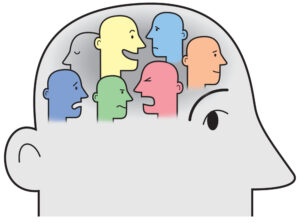
Transitions often leave us feeling disoriented, lost, or struggling to figure out what we should do when nothing feels right. We may question our decisions, our confidence, our direction, our motives, or even our sense of self. But this is an important and necessary stage. It is when we can acknowledge the loss and begin to accept that things have changed and we need to adapt.
Human beings naturally resist change and seek stability. Our routine provides predictability, our identity gives us a sense of security, and our environment provides familiarity. We often find peace in continuity. Change disrupts these foundations. We may cling to the past, wishing life could return to what it was. Or we might rush toward the future, hoping to escape the uncertainty of the present. But neither allows us to process what has been lost.
Grieving is not a sign of weakness or that we’ve failed to adapt. It is evidence that something mattered to us. Letting go of things that are important to us can be hard. Grieving helps us understand how we have been impacted by the changes that have occurred. It can lead us to question, “Who am I without this? Who am I becoming?”
Accepting the truth that things changed and that you have been changed by these events can help us adapt to the present and find hope in a different future. Hope allows us to imagine possibilities we can move towards. It reminds us that today’s uncertainty will not last.
Transitions do more than change our circumstances; they reshape our identity and redefine who we are. We might discover strengths we didn’t know we possessed, develop compassion born from suffering, or gain wisdom that could not have been learned without lived experience. Many people recognize that the transitions they resisted profoundly shaped them for the better.